Keep one character's face in every picture
Make a character look like the same person in every picture and clip, invented or made from one photo of you, with one sentence of words and three reference pictures. Test it on ours first.
Every new AI picture is a fresh guess. Describe your character again and you often get someone who looks like their cousin.
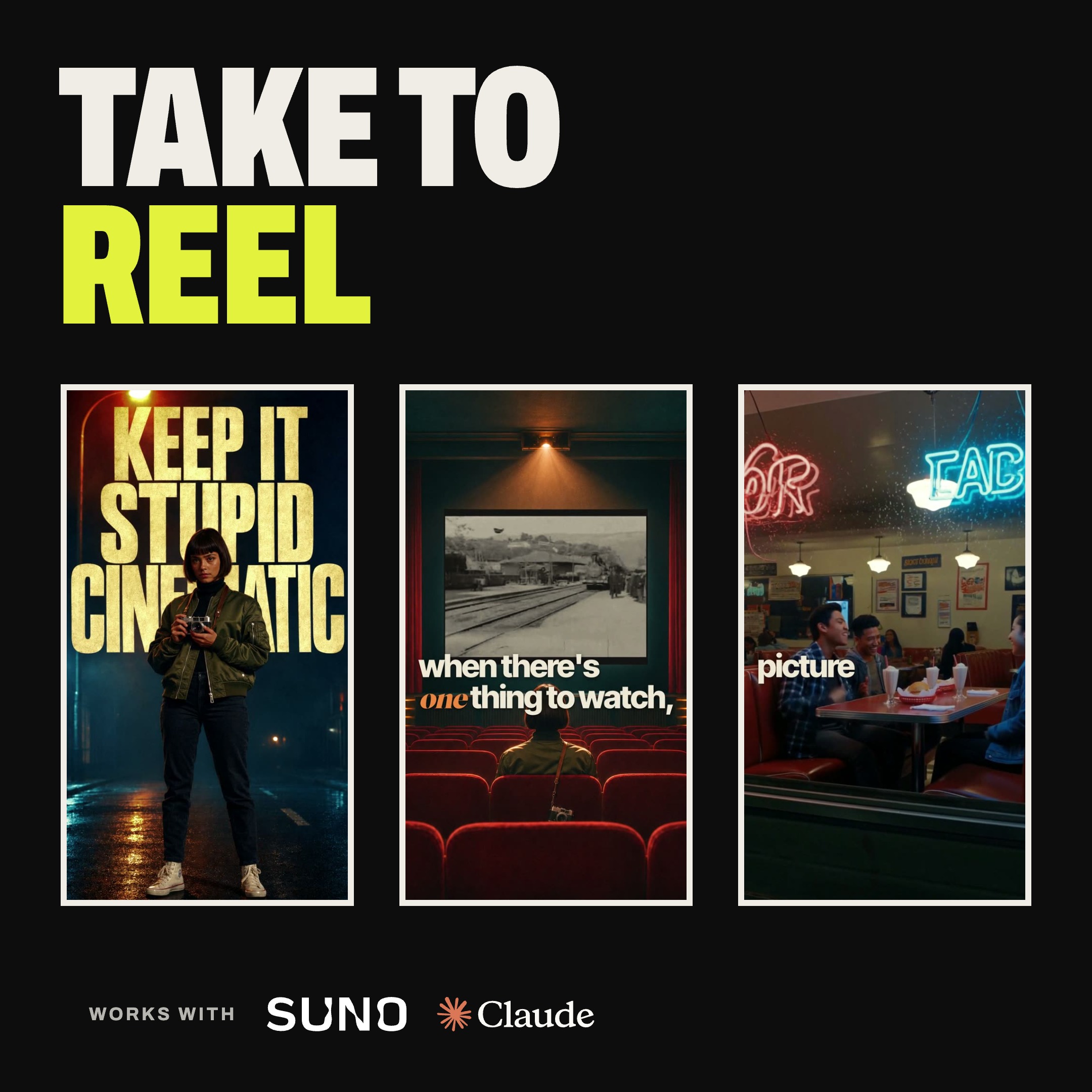
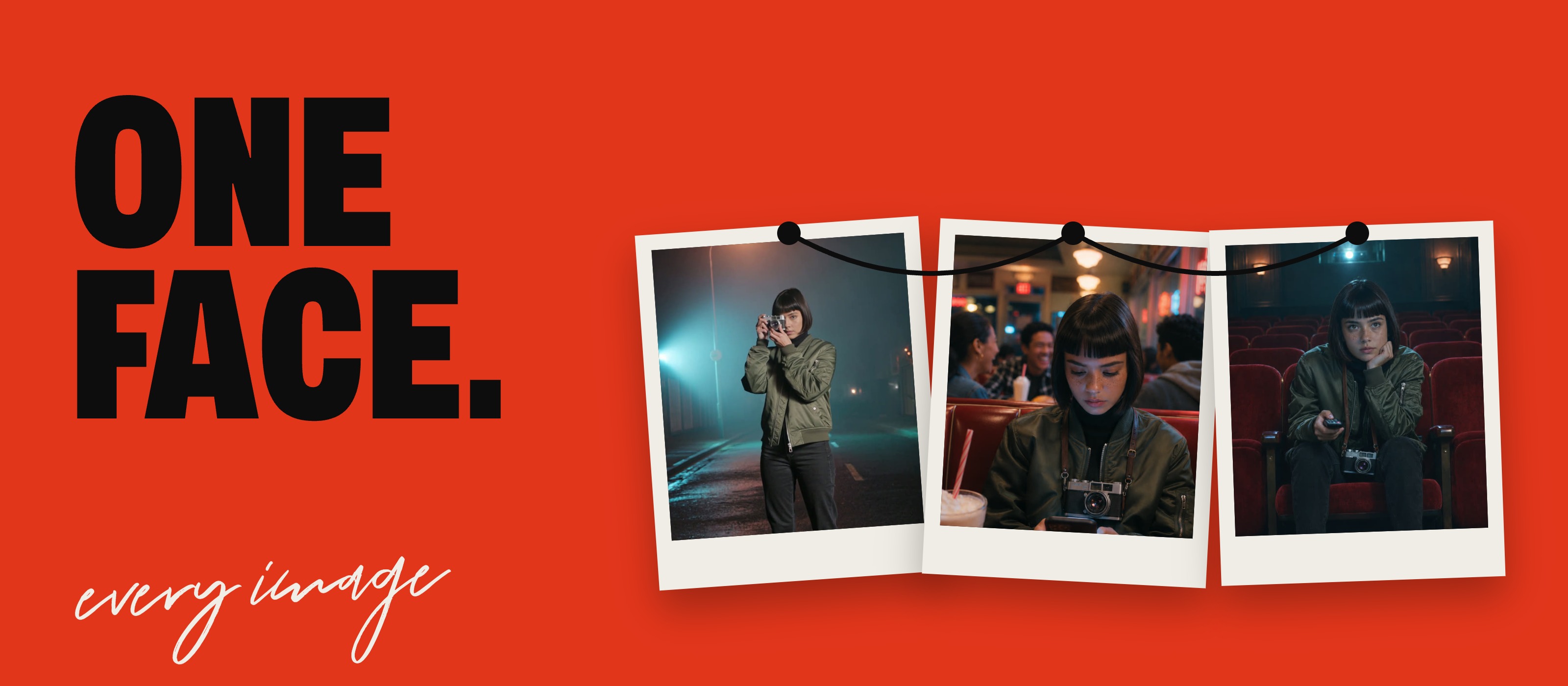
On Keep It Stupid Cinematic we fixed that with two things: one line of words that never changes, and three pictures of her attached to every new request. Nine new frames later, she was still the same woman.
Below is everything we used: the words, the pictures and the prompts. Run our prompt with our pictures and you'll get our character. Then make your own the same way.
The quickest way
Pick your AI. We copy the helper prompt (the message that sets it up) and open it for you. Claude can't make pictures itself, so it writes each prompt and tells you where to paste it (ChatGPT, Grok, Meta AI or Gemini).
ChatGPT starts on its own, no account needed. In the others, if the message box is empty, press and hold it, choose Paste, and press send.
It asks if you want to test our character first, then walks you through your own, one small step at a time.
The zip has everything: our three reference pictures, her character sheet, every prompt, and the result to compare against.
Download the zip Free, 1.7 MB zip with our pictures
or copy the helper prompt
You're my patient helper. I might be new to AI, so use simple everyday words, explain anything technical in one short sentence, and give me one step at a time. After each step, wait for me to say I'm done or tell you what I see. If my screen doesn't match what you describe, help me with what I actually see.

The goal: make a character who looks like the same person in every picture I make. We'll use the method Neur Culture used for its short film: a lock line (one sentence that describes the character exactly, pasted word for word every time), three reference pictures attached to every request (face, full body, main place), and a look line so every picture shares one style.

1. Ask me whether I want to test the method with their example character first (I have their pictures and prompts in my download), or go straight to my own character.
2. If I'm testing: tell me to attach ref-face.jpg, ref-full.jpg and ref-diner.jpg and paste the first prompt from "2 - try ours first.txt", then compare with what-you-should-get-cinema.jpg.
3. For my own character, ask me one question at a time: roughly how old, their hair, their skin, what they wear from top to bottom, one thing they always carry, and the feeling they give off. If I'm using a photo of myself, also ask my height and weight.
4. Write my lock line as one sentence in this order: age, hair, skin, clothes top to bottom, the thing they carry. Read it back and ask if it's right.
5. Help me pick a look line (light, film grain, colours), or offer theirs: "35mm film grain, soft halation on light sources, teal-navy shadows, warm orange sodium practical light, natural warm skin."
6. Make (or write) the three reference pictures one at a time, each as one complete prompt: lock line, then the scene (face close-up on a plain background; full body head to toe; them in their main place), then the look line, then "No text, no logos, no watermark." Ask me to keep the best of each and save them as [name]-face, [name]-full and [name]-place.
7. From then on, for every new picture: ask me only for the new scene, and give me ONE complete prompt to paste, in this shape: "Make one new photograph of the [person] in the three attached pictures. They must be exactly the same person: [lock line]. Keep their face, hair, skin, build and clothes exactly as in the pictures. The scene: [scene]. The look: [shape]. [look line]. No text, no logos, no watermark." Remind me to attach the three pictures first.
8. After each picture, ask me to compare it with the face picture at phone size. If a friend would ask "who's that?", make it again.
9. If my project is long or has video, offer the character sheet prompt from "5 - character sheet.txt", filled in with my lock line.
10. At the end, fill in a character card for me (name, lock line, look line, file names) so I can reuse it.

If you can't make pictures yourself (Claude can't), write each complete prompt for me to paste into a free picture maker: ChatGPT, Gemini (Tools, then Create image), Grok or Meta AI, and tell me to attach the three pictures there.
If I hit a daily limit, tell me plainly and suggest another free one where I can attach the same pictures.
If I want the closest match to Neur Culture's pictures and don't mind paying, mention once that they used GPT Image 2 (through Codex, with a paid ChatGPT plan), and that Higgsfield (from $19 a month, or $3 to try once) offers Nano Banana Pro and GPT Image. Keep helping me with free tools if I'd rather not pay.
Only use my own face, an invented character, or someone's photo with their OK.

Start with step 1.
Step by step
1 Try ours first, in five minutes
Before you make your own, check the method works for you. Download the zip, open ChatGPT (or Gemini, then Tools, then Create image), attach our three pictures with the + button, paste this prompt and send.
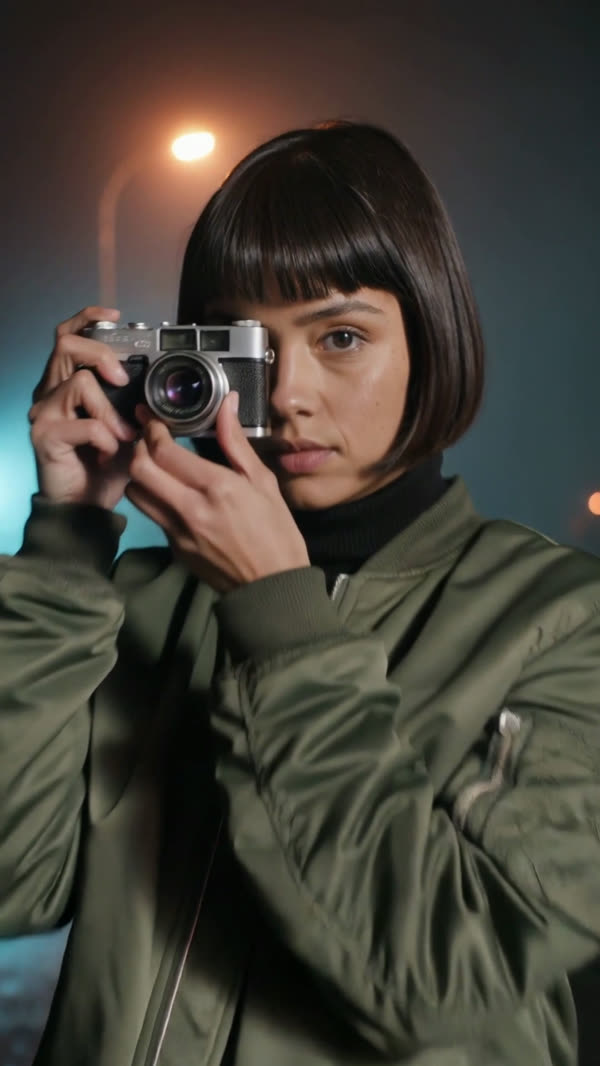
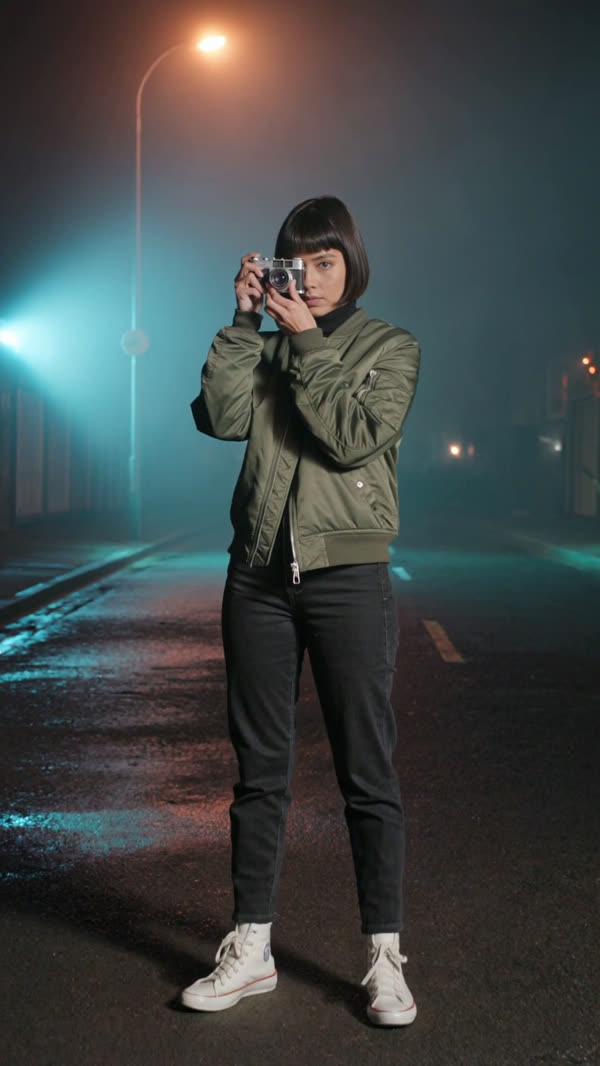
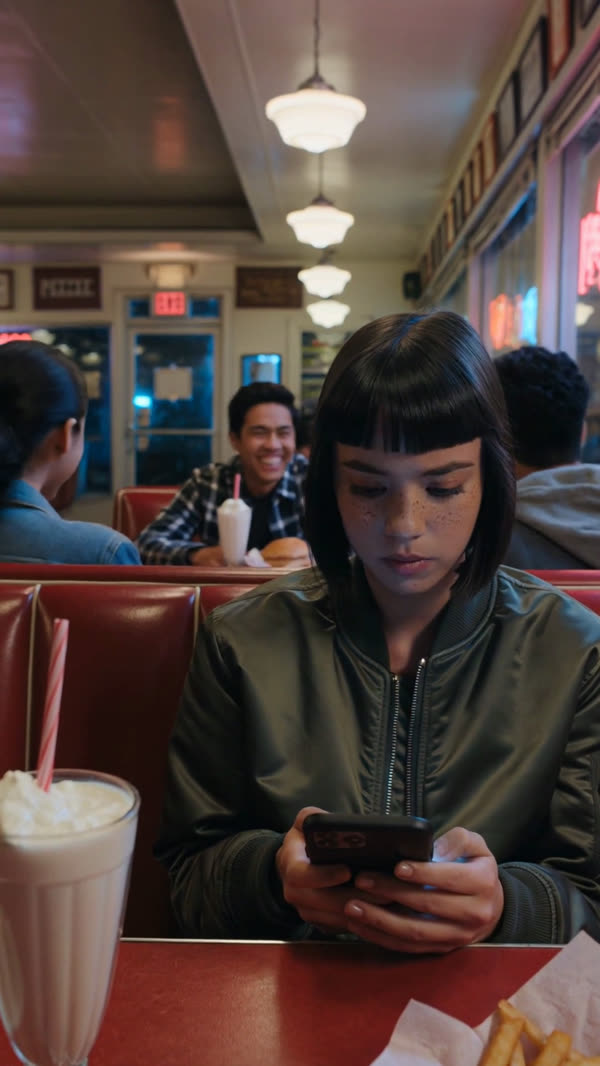
Our prompt: it holds who she is, the scene and the look, all in one
Make one new photograph of the woman in the three attached pictures. She must be exactly the same person: a woman in her mid-twenties with a short black bob and blunt bangs, warm brown skin with light freckles, wearing an olive-green satin bomber jacket over a black turtleneck, dark straight jeans and white canvas high-top sneakers, a small silver vintage 16mm film camera on a worn leather strap. Keep her face, hair, skin, build and clothes exactly as in the pictures.
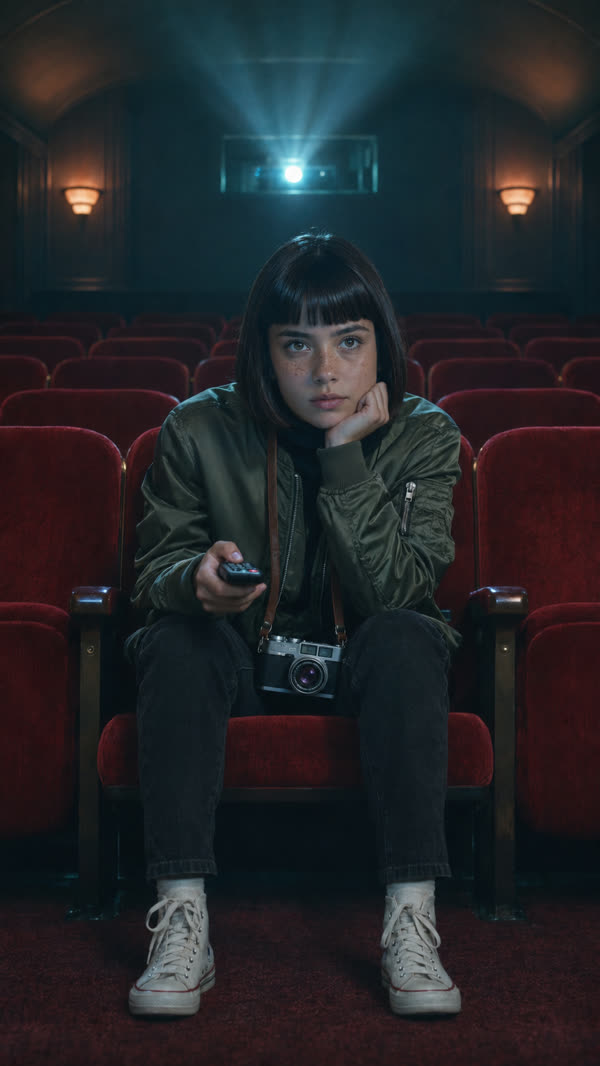
The scene: perfectly symmetrical one-point perspective inside a tiny empty vintage cinema with rows of red velvet seats. She sits alone dead centre in the middle row, seen from the front, lit only by cool flickering projector light on her face, leaning forward with her chin on her hand, studying the screen closely. Deep teal shadows, red seats.
The look: vertical, close to 9:16. 35mm film grain, soft halation on light sources, teal-navy shadows, warm orange sodium practical light, natural warm skin. No text, no logos, no watermark.
You should get her in the empty cinema. Compare it with what-you-should-get-cinema.jpg in the zip (it's also the last picture in "See it work" below). Same face, same jacket, same camera? It works for you. If the face is different, check all three pictures were attached and try again in a new chat.
Which picture maker: free ChatGPT uses OpenAI's GPT Image and Gemini uses Nano Banana 2; both give a few pictures a day. We made ours in Codex with GPT Image 2 (it comes with a paid ChatGPT plan). ChatGPT Plus gets you closest to ours; Higgsfield (paid) is the sharpest.
2 Write your character's lock line
A lock line is one sentence that describes your character exactly: age, hair, skin, clothes from top to bottom, and one thing they always carry. Paste it word for word into every prompt. Rewording it is how a face starts to drift. The helper writes it with you.
Ours, for the lead of Keep It Stupid Cinematic
a woman in her mid-twenties with a short black bob and blunt bangs, warm brown skin with light freckles, wearing an olive-green satin bomber jacket over a black turtleneck, dark straight jeans and white canvas high-top sneakers, a small silver vintage 16mm film camera on a worn leather strap3 Make three reference pictures
Make pictures of your character until three look right, and keep those. They're your character's official pictures from now on. Save them with clear names, like maya-face, maya-full and maya-place.
- the face, close up and clear, on a plain background
- the full body, head to toe, in their usual clothes
- the main place, with them in it
Make them in Higgsfield Optional. Our pick for the sharpest characters. Paid, from $19 a month, or $3 to try once. Checked 6 November 2026. affiliate link
4 Every new picture: attach the three, paste one prompt
Attach all three pictures every time, even when the last one worked. Then paste this, with your lock line, the new scene and your look line filled in. Only the scene changes from picture to picture; the look line keeps every picture looking like the same film.
Fill in the brackets
Make one new photograph of the [man/woman] in the three attached pictures. They must be exactly the same person: [YOUR LOCK LINE, WORD FOR WORD]. Keep their face, hair, skin, build and clothes exactly as in the pictures.
The scene: [where they are, what they're doing, where the camera is, the light].
The look: [vertical 9:16 / square / wide]. [YOUR LOOK LINE, WORD FOR WORD]. No text, no logos, no watermark.
Our look line
35mm film grain, soft halation on light sources, teal-navy shadows, warm orange sodium practical light, natural warm skin.5 Check them side by side
Put each new picture next to the face picture, at phone size. If a friend would ask who that is, make it again before you use it.
6 For a longer project or video, make a character sheet
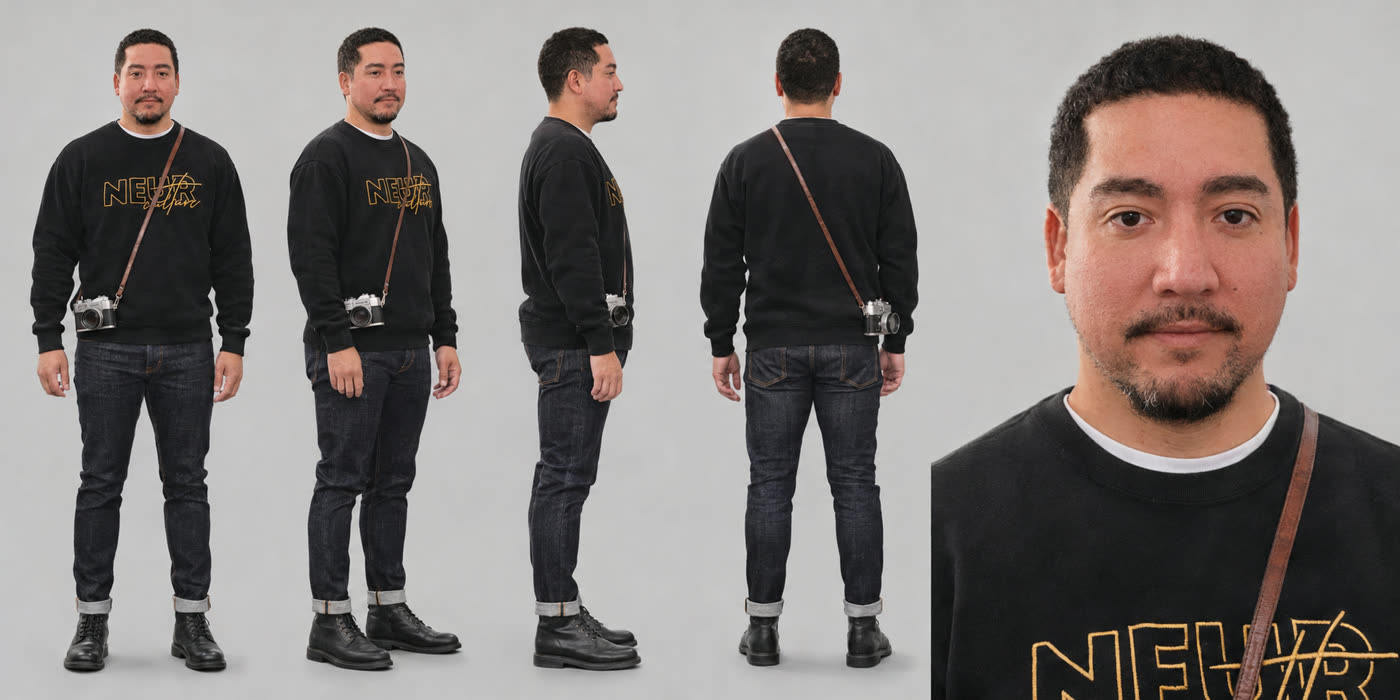
A character sheet shows them from every side on a plain light grey background, so the AI also knows their back and side. Light grey is easiest for video tools to read. Attach it with the other three pictures when a project has many scenes or video. When a video tool lets you attach a picture, attach the face or full-body picture and paste the lock line.
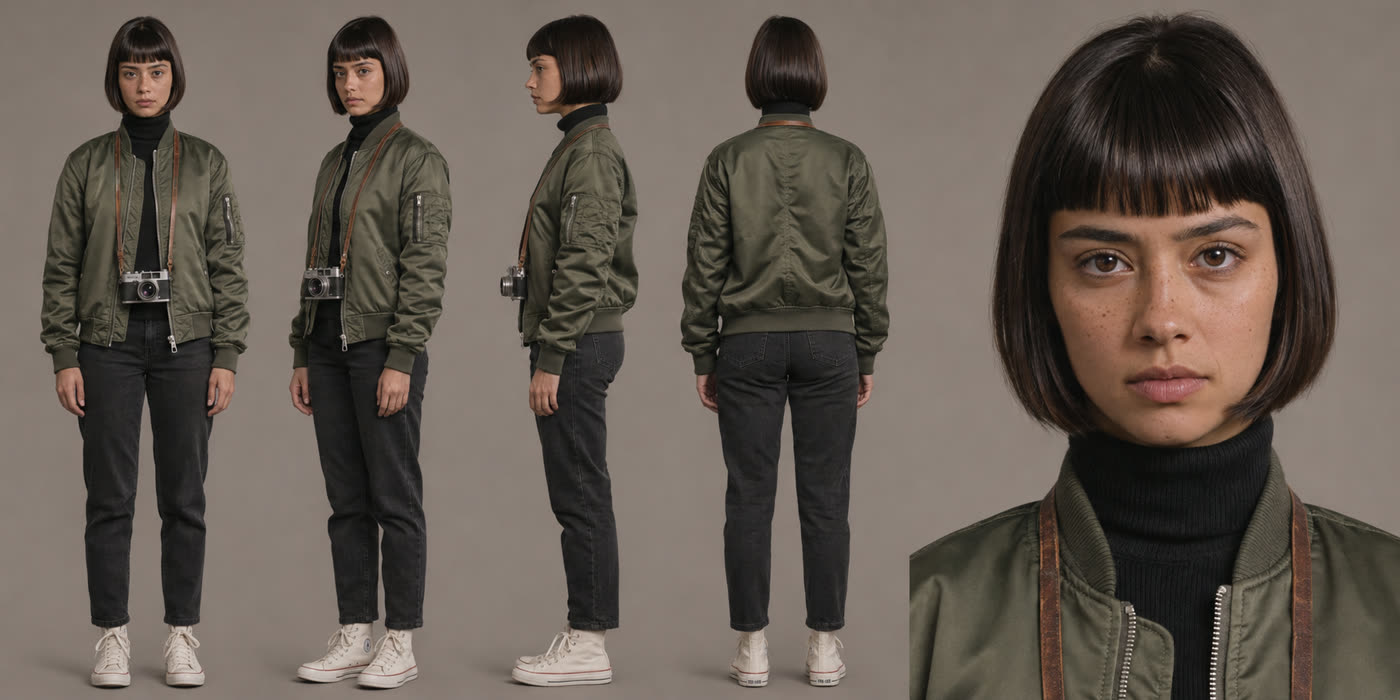
The prompt, with the three pictures attached
Make ONE image. The three attached pictures show the same person. Match them exactly: [YOUR LOCK LINE, WORD FOR WORD]. The image: a clean character reference sheet, landscape (the widest size you support), on a plain warm-grey background. Left to right: the full body seen from the front, three-quarter, side and back, all at the same height and scale, standing in a neutral pose; on the right, a large close-up of the face, front on. Even soft studio light, photographic realism, natural skin texture, neutral calm expression, the same face as the attached pictures. No text, no labels, no logos, no watermark.See it work: Keep It Stupid Cinematic
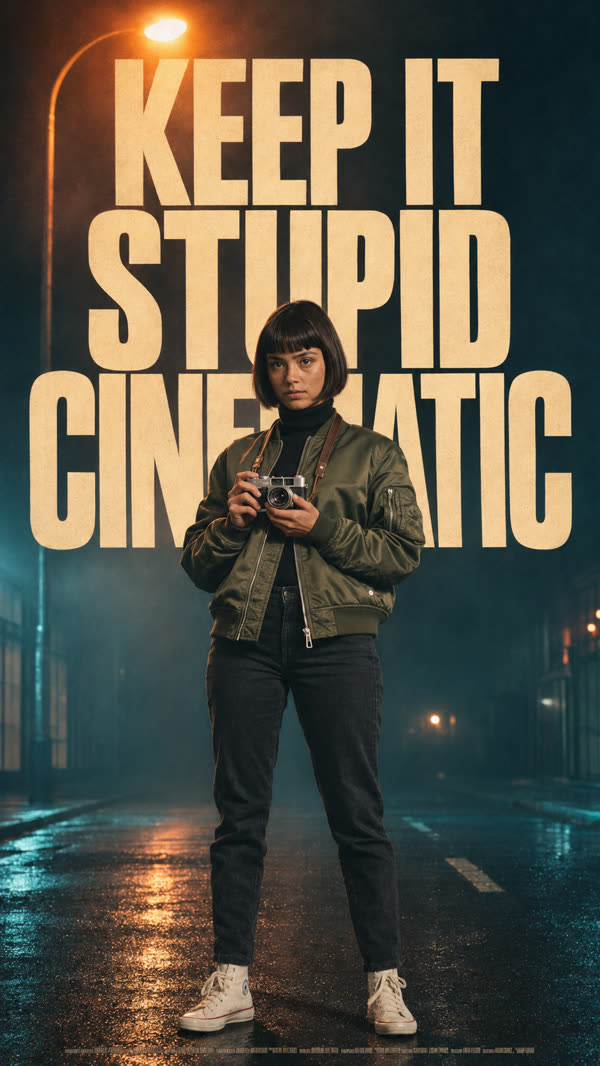
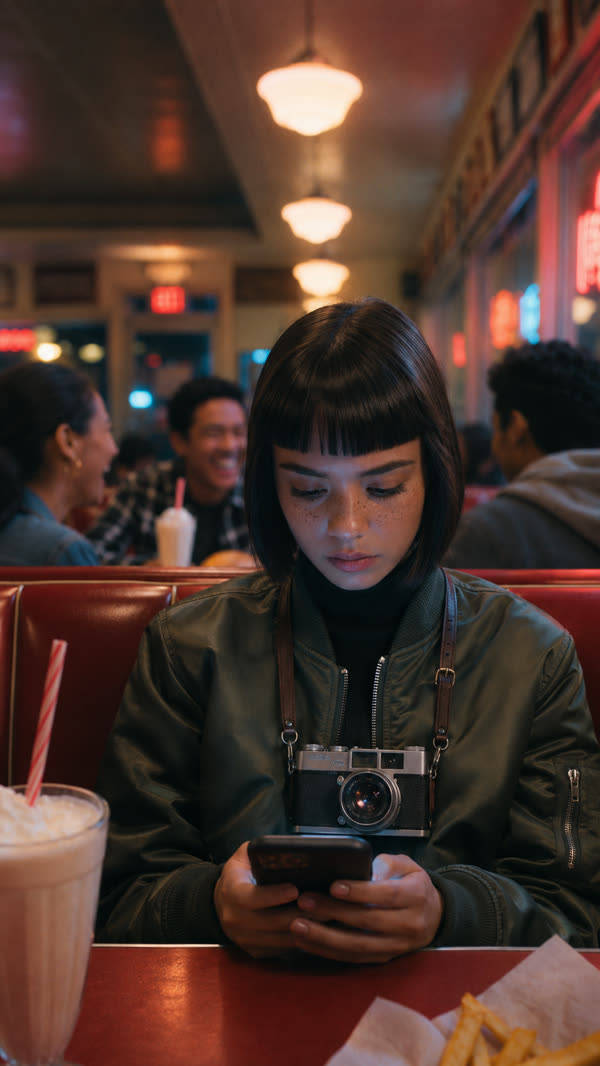
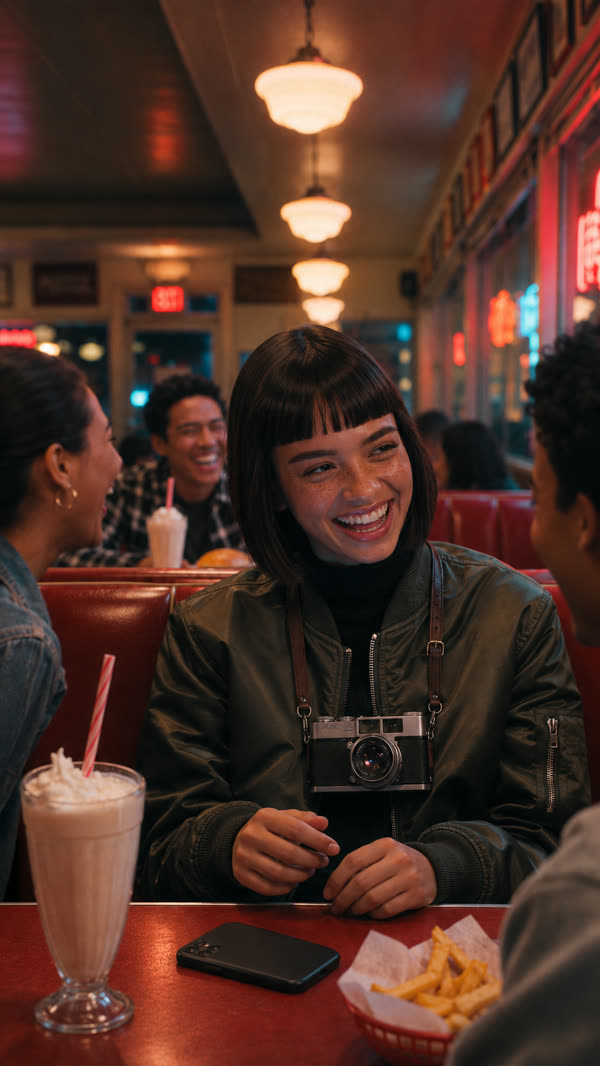
Codex made the frames for our reel from the three pictures above. The only words that changed from frame to frame were the scene. Same face, same hair, same jacket, same camera, in four different places and lights.
From one photo of you
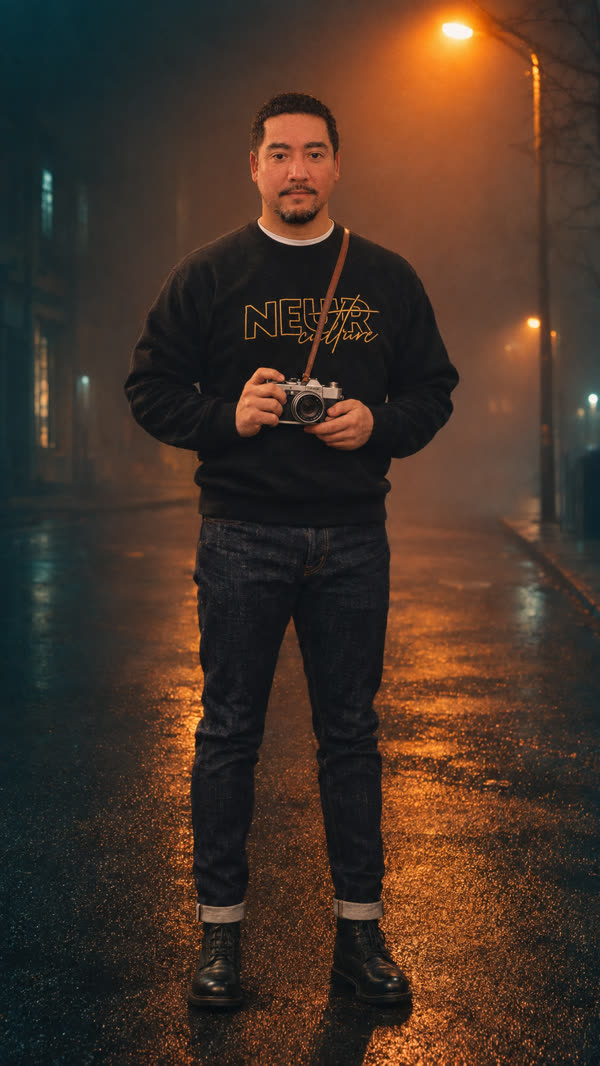
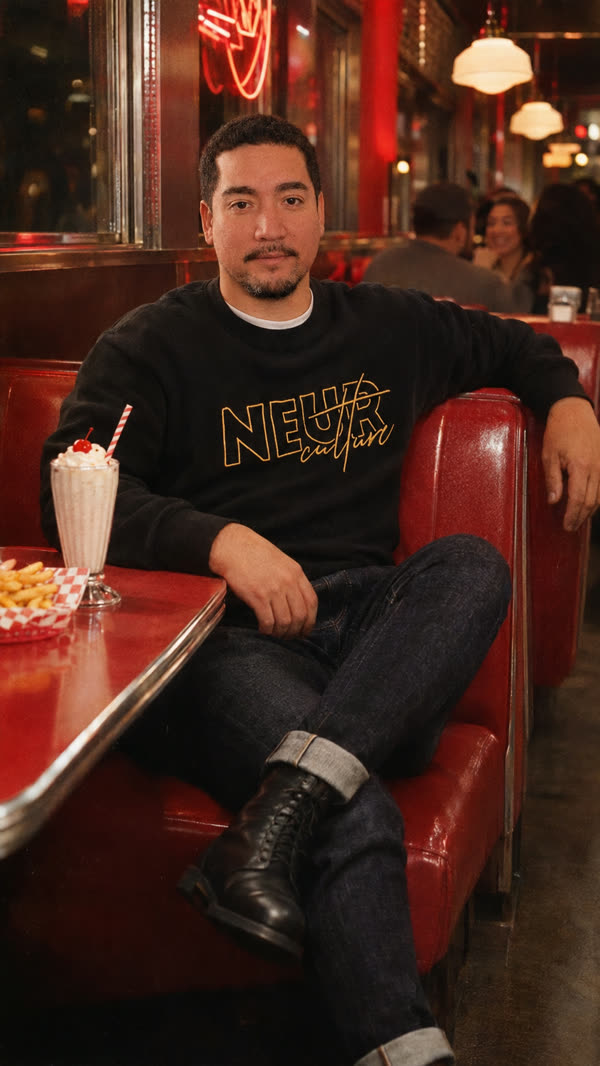
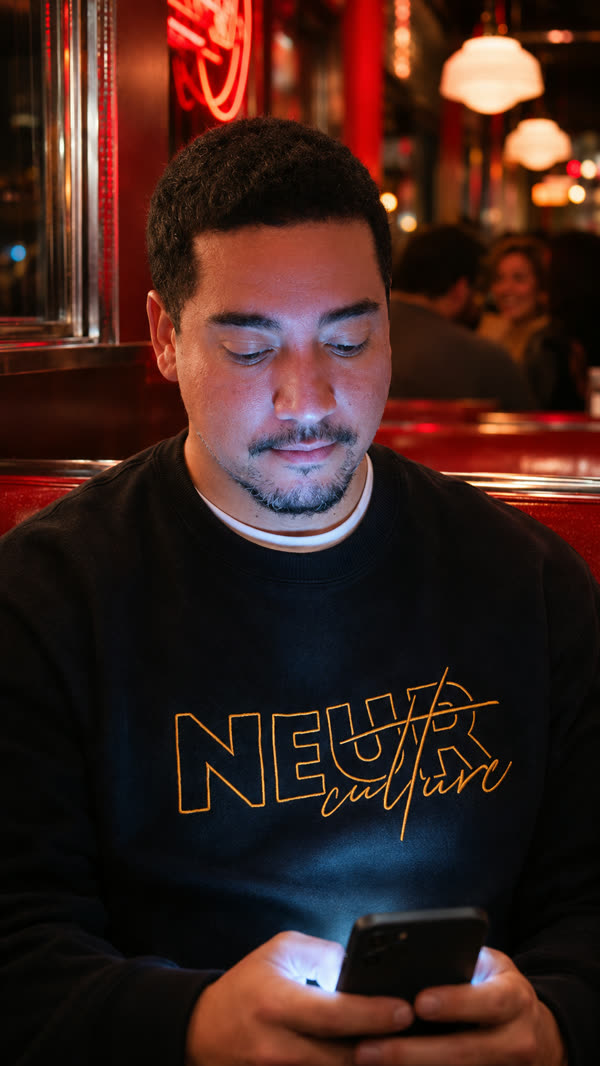
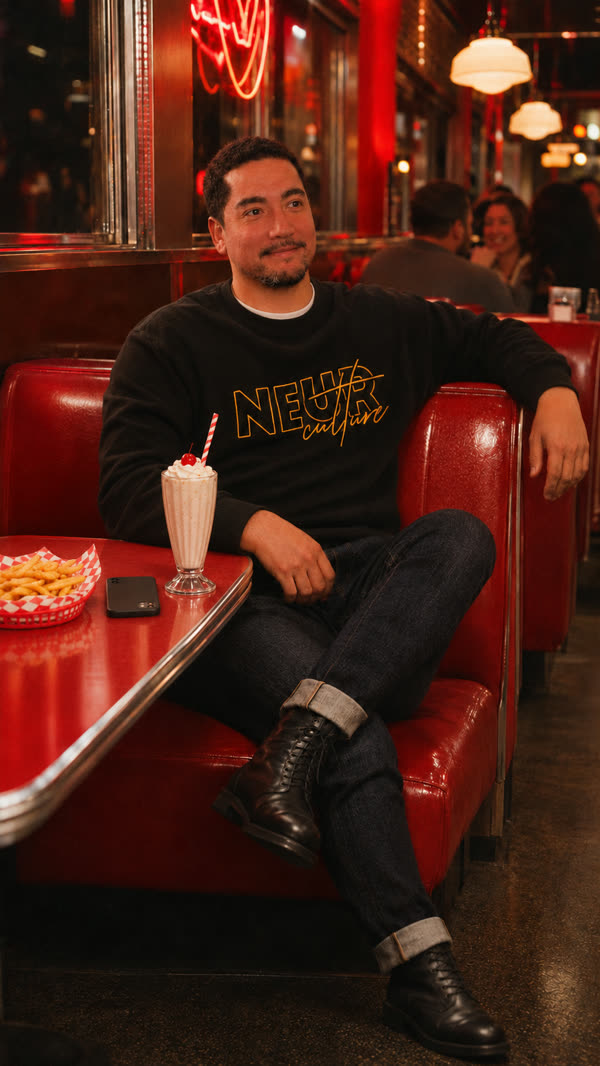
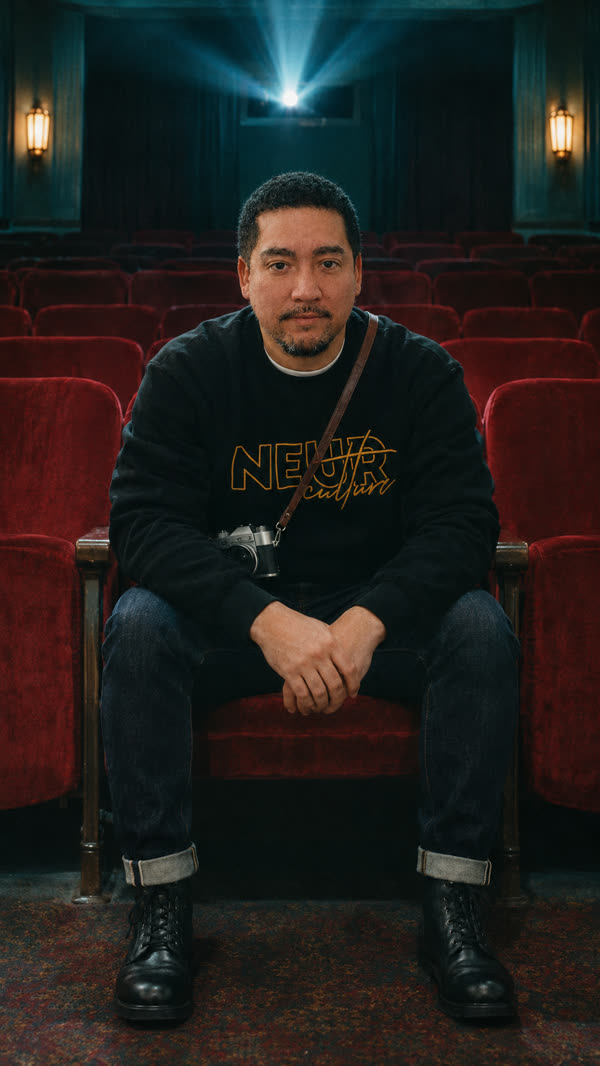
You don't need an invented character. One clear selfie is enough. We tried it with GQ: one photo, then a character sheet and the same scenes as her, all made in Codex.
Three things made the difference. Make every picture from your selfie, never from a picture the tool already made, or small changes add up each time. Write your real height and weight, and say your build is exactly as in the photo, neither slimmer nor heavier. And say how you really look when you smile: if your smile is different from the one the tool gives you, ask for your mouth closed.
Here's his complete prompt, lock line and rules together. Attach your selfie, swap in your own details, and fill in the scene.
Make one new photograph of the man in the attached photo: very short, freshly cut dark hair with a clean hairline, dark brown eyes, light tan skin with real texture, pores and fine lines, a short dark mustache and goatee with a few grey hairs, his face shape, neck and build exactly as in the photo, neither slimmer nor heavier, 5 feet 9 inches tall and about 175 pounds, an average, solid build with normal adult proportions, wearing a black crewneck sweatshirt with the gold outline NEUR culture logo across the chest exactly as in the photo, a white T-shirt collar showing at the neck, dark indigo selvedge denim jeans in a skinny tapered fit with a neat cuff rolled up to sit right at the top of the boot, and sleek black leather combat-style boots with a low profile.
Every picture must look like the same kind of real, unretouched photograph, equally real in every view: natural skin with visible pores and fine lines, no smoothing, no gloss, no plastic AI look, 35mm film grain. Copy his body from the photo as it is: do not make him heavier, wider, shorter or stockier, and do not slim him, lengthen his neck or stretch him. His mouth stays closed, a calm, relaxed look, never showing his teeth.
The scene: [where he is, what he's doing, the light].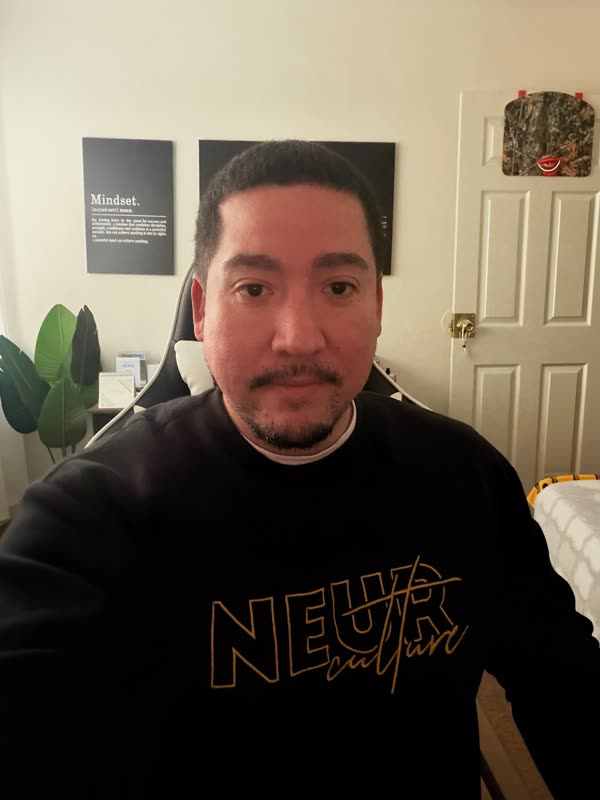
Best AI image generators that actually keep your face consistent across multiple photos?
ChatGPT's images and Gemini's Nano Banana both keep a face well for free, a few pictures a day; Higgsfield is sharpest, from $19 a month. The tool matters less than the method: one sentence describing the character and three reference pictures attached every time. Our guide shows it on a real selfie.
How do I create consistent AI characters?
Write one lock line that describes the character exactly, make three reference pictures, then attach those three and paste the same prompt for every new image. For video or long projects, make a character sheet too. Our guide lets you test it on our character in five minutes before making your own.
Good to know
- Paste the lock line word for word. Never reword it.
- Attach all three pictures every time, even when the last one worked.
- Describe only what's new: the place, the pose, the light.
- Free plans limit pictures a day. Hit the limit? Try Gemini, Grok or Meta AI with the same pictures, or come back tomorrow.
- Use an invented character or your own face. Never someone else's photo without their OK.
What you'll have
A character who is clearly the same person in every picture and clip, so your pieces read as one story, and the exact prompts to keep making them.
Part of Make an AI reel: step 1 of 4